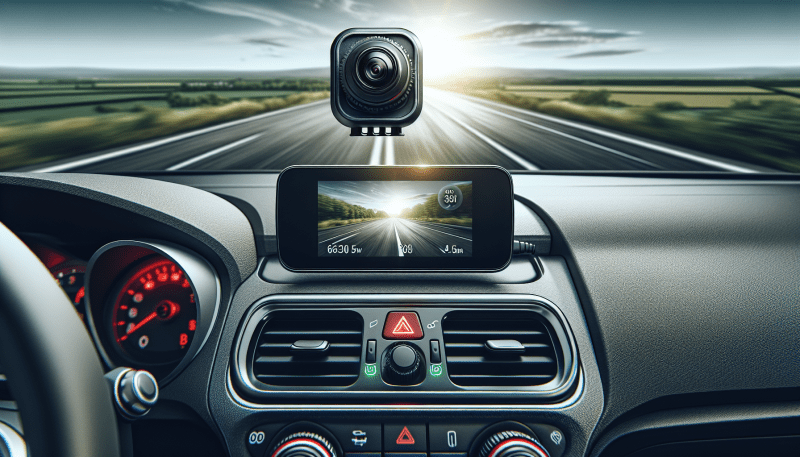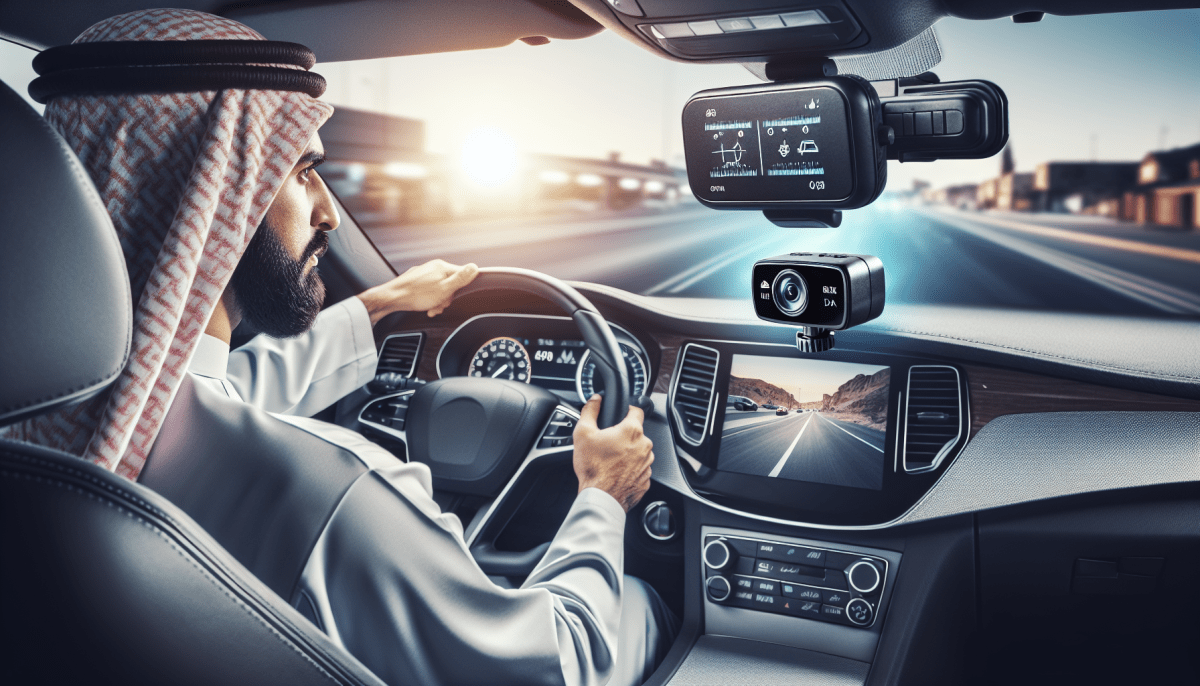
Have you ever tried to back out of your driveway and felt that small pang of anxiety? It’s tough to see everything behind you, especially when there are kids, pets, or other obstacles lurking around. That’s where a rear view camera comes in handy. These cameras give you a clear view of what’s behind you, turning a stressful situation into a breeze.
Plus, they can help prevent accidents. A rear view camera picks up on those tricky blind spots that can be hard to notice while you’re backing up. No one wants to deal with the headache of minor bumps and scratches on their car, and a reliable camera can help you avoid that. It’s like having a little extra set of eyes on the road, always looking out for you.
Many of today’s cameras come with additional features, like guidelines or even motion detection. These little perks make it even easier to navigate tight spaces and crowded lots. You not only get to see what’s behind you, but you also get guidance on how to position your vehicle perfectly, making parking stress-free.
Installing a rear view camera can increase your vehicle's resale value too. Prospective buyers love seeing added safety features, and having a rear view camera makes your car more attractive. It’s a simple upgrade that pays off in the long run, whether you’re enjoying safer drives or when it’s time to sell.
How Rear View Cameras Improve Safety
Rear view cameras really step up your safety game, especially when you're backing out of tight spots. Instead of just relying on mirrors, these cameras give you a clear view of what's behind you. They can show you pedestrians, pets, or even small objects that you might miss otherwise. This extra visibility can prevent accidents before they happen.
Most rear view cameras come with guidelines that help you line up your car perfectly when you’re parking. It's like having a personal assistant guiding you. This feature can be super helpful in busy parking lots or when you're trying to squeeze into a tight spot. You can park with confidence, knowing you have a solid view of your surroundings.
Plus, they're usually pretty easy to install. Whether you opt for a factory-installed unit or an aftermarket option, many models fit well with your existing system. You won’t need a degree in car tech to get one set up. Just make sure it’s compatible with your vehicle, and you’re good to go!
Another great benefit? They help new drivers feel less stressed. For those just learning or getting used to driving, the added visibility can make a big difference. No more craning your neck or guessing what’s behind you. This helps boost confidence and reduces the fear of making a mistake.
Easy Installation Tips for Your Camera
Installing your rear view camera doesn’t have to be a headache. With a few simple steps, you can have it up and running in no time. Let’s break it down so you can focus on capturing those precious moments.
First things first, read through the camera’s manual. It sounds boring, but it has crucial info about your specific model. It’ll guide you on where each part goes. Most cameras come with mounts or brackets, so check what you’ve got.
Next, find the right spot for your camera. Usually, that’s right above your license plate. Make sure it gives you a good view without obstructing anything. Once you’ve decided, clean the area thoroughly. A clean surface helps the adhesive stick better.
Now, let’s talk wiring. If your camera is wired, you’ll need to run the cable from the camera to your car’s display. Look for existing openings in your vehicle to avoid drilling new holes. It makes everything easier and keeps your ride looking clean.
Finally, test it out. Before sealing everything up, make sure the camera works properly. Check the angle and clarity. Adjust as needed, and once you’re satisfied, secure all the connections. Now you're ready to hit the road and capture every moment!
Choosing the Right Camera for Your Car
When it comes to picking the right rear view camera for your car, you have a few things to think about. First off, you want to consider the camera's resolution. Higher resolution means a clearer image, which helps you spot those sneaky obstacles that might be lurking behind you. Look for cameras that offer at least 720p or higher for a crisp view.
Next, think about the angle of view. A wider angle gives you a better picture of what’s behind you, so you can see more than just the typical narrow strip. Look for cameras with a wide viewing angle of 120 degrees or more to help eliminate those blind spots. This can be a game-changer when you're parking or reversing.
Ease of installation is another key factor. Some cameras come with complicated setups that might make you shy away. Choose a model that’s quick and easy to install, preferably one that comes with all the necessary tools. Many models simply attach to your existing rearview mirror or fit right into your license plate frame.
Don't forget about night vision features, either. If you often find yourself backing up at night, a camera with night vision capabilities can help you see clearly in low light. Look for cameras that have infrared sensors; they make a huge difference when it gets dark outside.
Lastly, check out user reviews. Real-life experiences can help you understand how well a camera performs in everyday situations. Pay attention to how users feel about the image quality, ease of use, and overall reliability. This little bit of homework can steer you toward a camera that truly meets your needs.